For stories, adverts, & ENQUIRIES, wHATSAPP US @ +2347036240302

Tinubu Campaign Ex-Spokesman Onoh Attacks Ex-Minister Dalung For Condemning Apology To Igbo
Tinubu Campaign Ex-Spokesman Onoh Attacks Ex-Minister Dalung For Condemning Apology To Igbo
POLITICS
The Nigerian Record
7/26/20262 min read
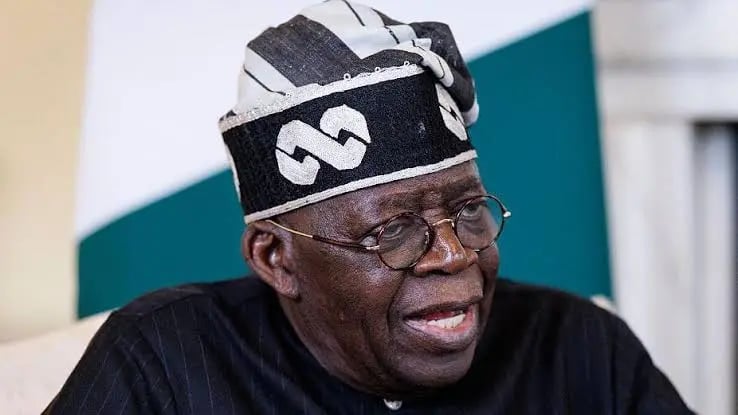
Former Southeast Campaign Spokesman for President Bola Tinubu, Josef Onoh, has lashed out at former Minister of Youth and Sports Development, Solomon Dalung, over his criticism of Plateau State Governor Caleb Mutfwang's apology to the Igbo community, describing the ex-minister's stance as "regressive rhetoric" that undermines national reconciliation.
Onoh, who chairs the Forum of Former Members of the Enugu State House of Assembly, said Governor Mutfwang's apology represented "the highest zenith of statesmanlike maturity, structural healing, and visionary leadership," arguing that the gesture was a necessary step towards fostering unity and healing historical divisions.
In a statement issued on Saturday, Onoh rejected Dalung's reported 72-hour ultimatum to the governor over the apology, insisting that the former minister had neither the constitutional authority nor the moral standing to dictate how an elected governor should pursue reconciliation.
He said, "An apology is the foundational step required to transition a post-conflict society from latent animosity into active structural healing."
According to him, Governor Mutfwang, as the constitutionally elected leader of Plateau State, has "the complete moral, legal, and political mandate to act as the chief custodian of the state's collective conscience."
Onoh argued that the governor's acknowledgement that some Plateau indigenes were "cajoled or misled" into participating in the Nigerian Civil War did not diminish the sacrifices of those who died but rather helped free their memory from what he described as "ongoing systemic bigotry."
The former presidential campaign spokesman accused Dalung of attempting to "gatekeep history" while ignoring the suffering endured by the Igbo people during and after the civil war.
He also described the former minister's ultimatum as "an exercise completely devoid of common sense, democratic decorum, or legal standing."
"Mr. Dalung is a private citizen, regardless of his former ministerial appointment, and cannot issue authoritative ultimatums to a sovereign, elected state executive governor who carries the mandate of millions," Onoh said.
To support his position, Onoh cited examples of political reconciliation in other countries, including former German Chancellor Willy Brandt's famous 1970 kneeling at the Warsaw Ghetto memorial, former Canadian Prime Minister Justin Trudeau's apology to Italian-Canadians over their internment during the Second World War, and former Australian Prime Minister Kevin Rudd's apology to the country's Indigenous "Stolen Generations."
He argued that such gestures strengthened rather than weakened national unity.
Onoh further alleged that Dalung's opposition to Mutfwang's peace initiative reflected a mindset rooted in the divisions of the civil war era.
"By actively fighting against a hand extended in peace, his rhetoric becomes indistinguishable from the ideological architects of ethnic cleansing and genocide who still carry unrepentant blood on their hands," he said.
He maintained that those who oppose reconciliation and continue to exploit historical grievances for political purposes had no place in modern nation-building.
Onoh concluded by urging Nigerians to embrace reconciliation, saying the country must move beyond "primitive tribal superiority and eternal malice" towards unity, equity and mutual respect