For stories, adverts, & ENQUIRIES, wHATSAPP US @ +2347036240302

Insecurity: Amnesty International Calls for Investigation into Alleged Deaths of Fulani Detainees in Kwara Camp
Amnesty International Alleges 150 Fulani Detainees, Mostly Children, Died In Kwara Camp, Demands Probe
NEWS
The Nigerian Record
4/30/20262 min read
April 30, 2026
Amnesty International has urged the Nigerian government to launch an immediate and independent investigation into the reported deaths of at least 150 Fulani detainees, the majority of whom were children, at a military-controlled camp in Kwara State.
According to the human rights organisation, the victims were among approximately 1,500 Fulani pastoralists who had fled violent attacks by armed groups and were later relocated to the National Youth Service Corps (NYSC) Orientation Camp in Yikpata, where they were reportedly held for several months.
In a statement released on April 30, Amnesty International alleged that the detainees were exposed to extremely poor living conditions, including overcrowding, inadequate sanitation, insufficient food supplies, and limited access to healthcare. These conditions reportedly resulted in severe malnutrition, illness, and numerous deaths.
The organisation stressed that Nigerian authorities must carry out a comprehensive, transparent, and impartial investigation into the reported fatalities and ensure accountability for those found responsible.
The Executive Director of Amnesty International Nigeria, Isa Sanusi, stated that members of the Fulani community are suffering both from attacks by armed groups and from actions taken by security forces. He noted that instead of receiving protection, many have experienced violations of their rights to freedom of movement, healthcare, education, livelihood, and personal liberty.
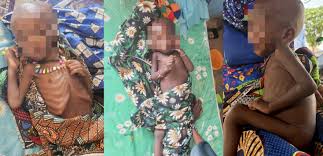
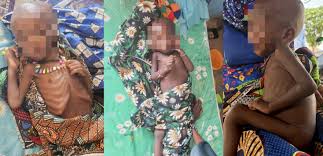
Amnesty researchers who visited the camp between April 5 and April 11 reported witnessing disturbing conditions. They observed children displaying visible signs of severe malnutrition, including extreme weight loss and physical weakness that left some unable to walk.
The organisation also expressed concern about the welfare of more than 100 pregnant women in the camp, warning that the lack of adequate maternal healthcare could lead to serious health complications.
According to Amnesty, many detainees originated from communities in Asa, Edu, Ifelodun, and Patigi Local Government Areas of Kwara State. After escaping attacks in their villages, they were reportedly transported by military personnel to the Yikpata camp, where they remained in detention.
Several survivors recounted their experiences to Amnesty International. One woman said that after fleeing violence, government officials instructed them to relocate to what was presented as a safe location. However, upon arriving at the camp, they encountered food shortages and difficult living conditions. She alleged that hunger and disease claimed the lives of numerous children and pregnant women, including her twin daughters.
Another former detainee stated that he escaped the camp due to the harsh conditions and claimed that more than 150 people had died from hunger and illness during the period of detention.
Amnesty International further raised concerns over what it described as arbitrary detention and ethnic profiling of Fulani individuals. The organisation argued that targeting people based on their ethnicity is discriminatory and increases their vulnerability to human rights abuses.
The group called on the Nigerian government to end the detention of the affected communities, emphasizing that detaining individuals, families, or entire villages solely because of their ethnic identity is unlawful and contrary to both the Nigerian Constitution and international human rights standards.
Finally, Amnesty International urged authorities to ensure justice for victims and their families by conducting an effective investigation, prosecuting those responsible where appropriate, and providing remedies for those affected by the alleged violations.